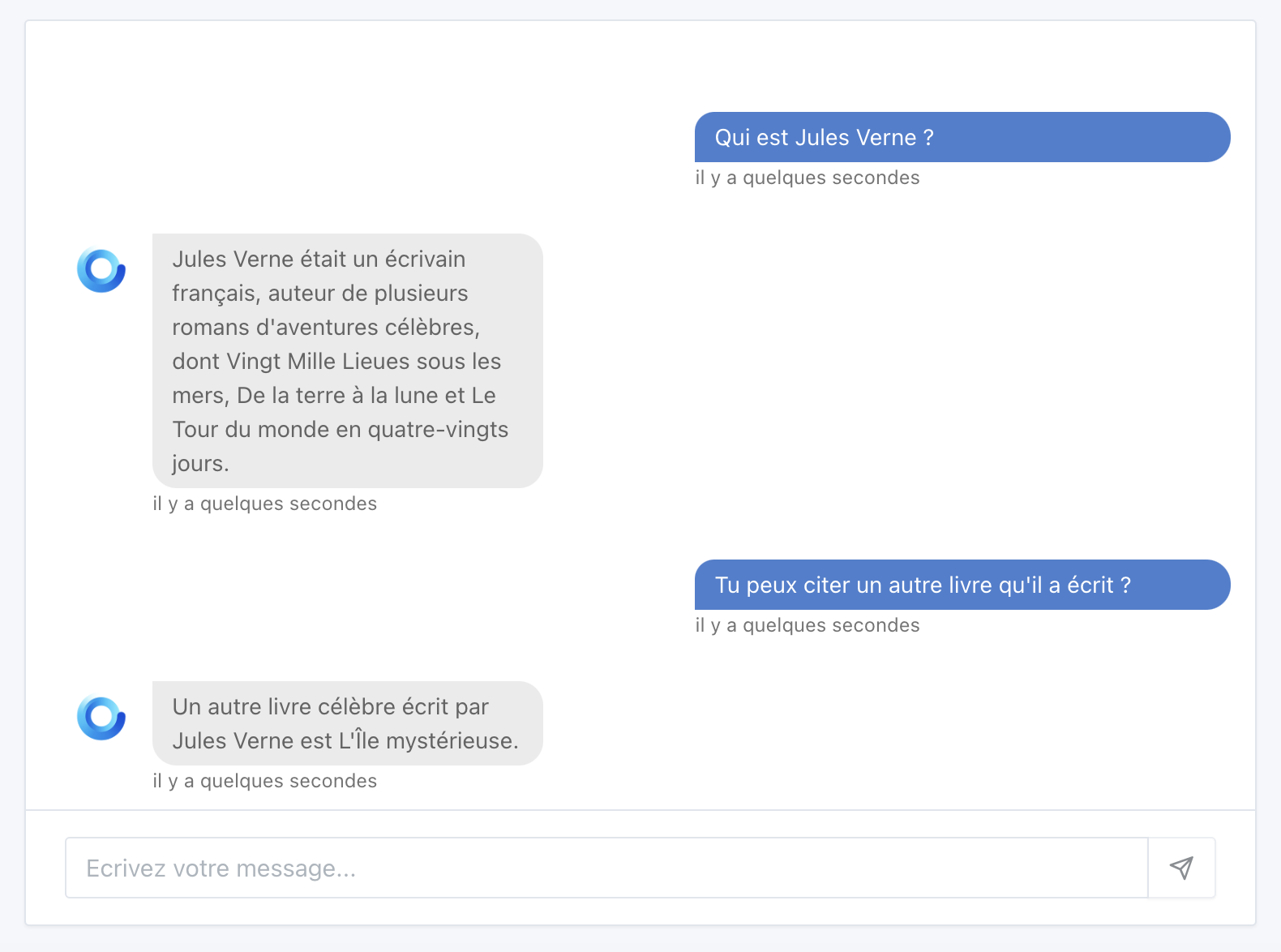
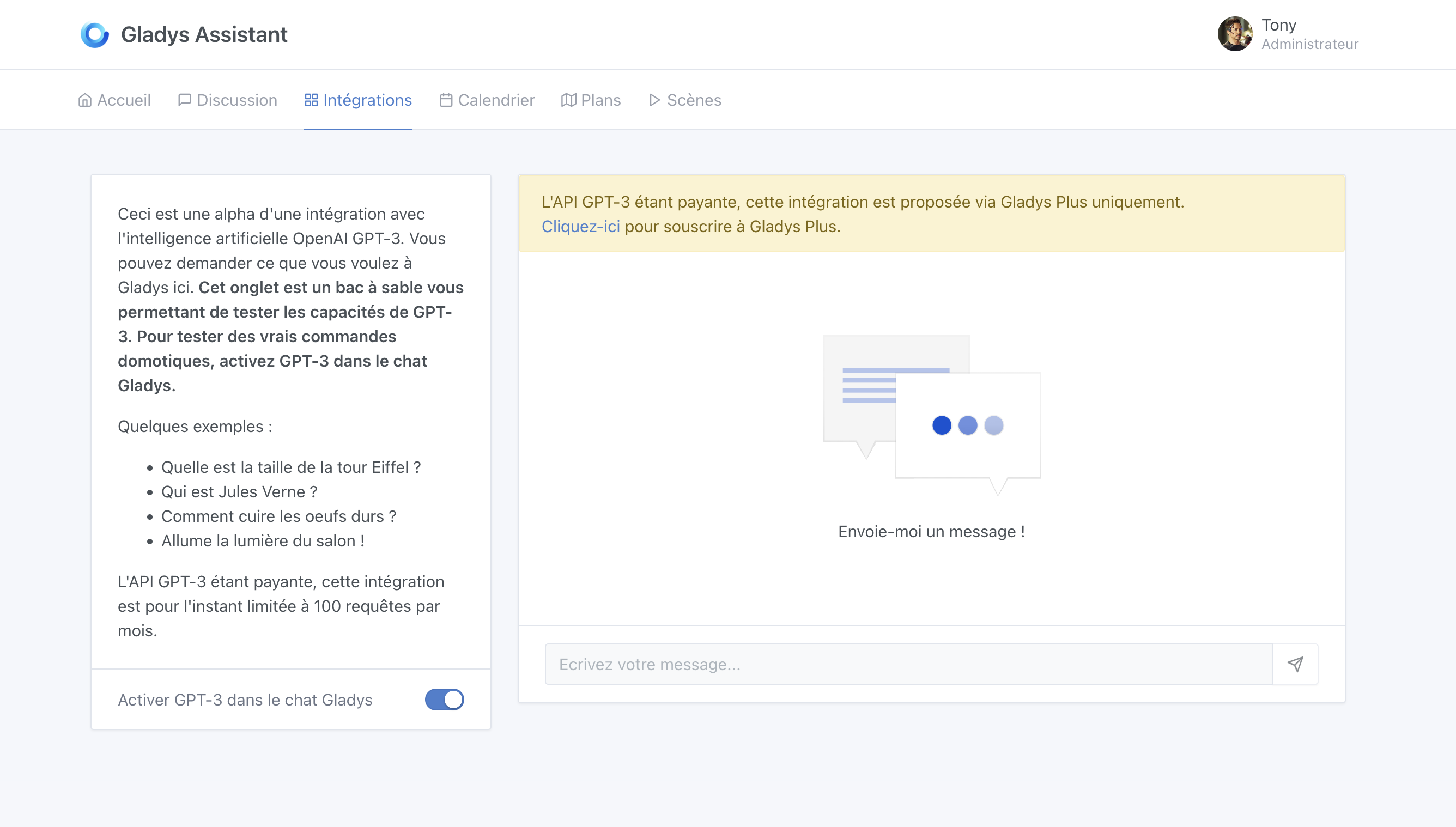
The answers are a bit off, to say the least!
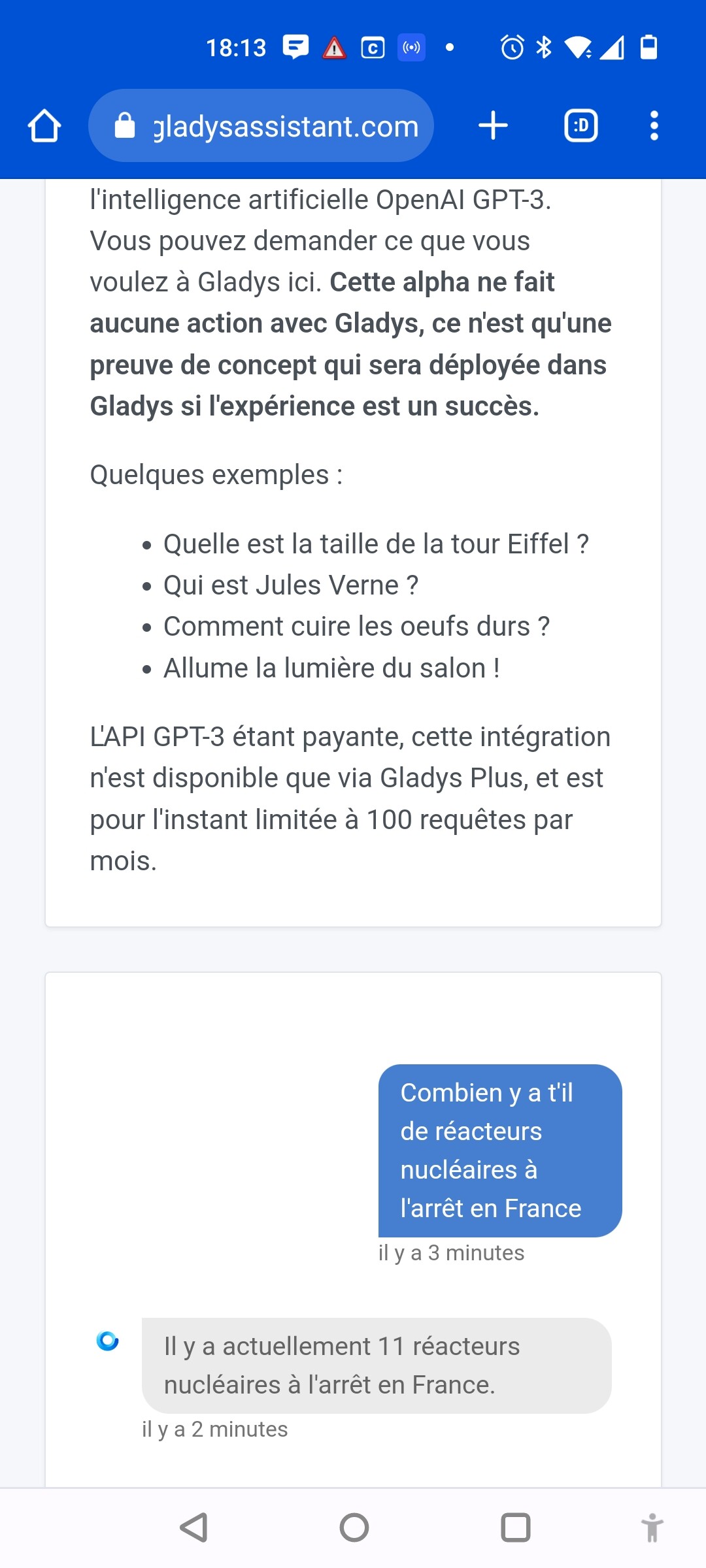
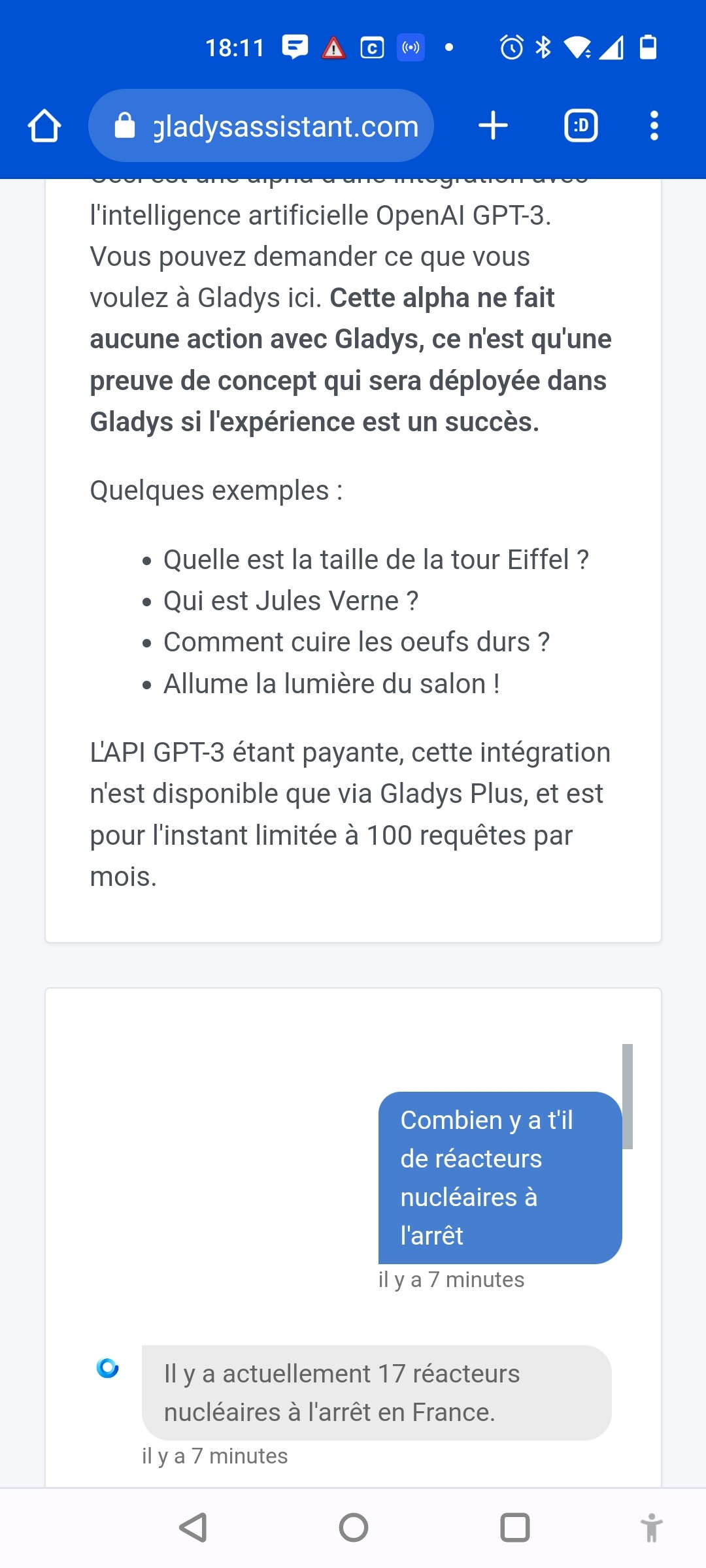
We stopped 6 in 3 min!!
It’s simply because it’s not within this system’s area of expertise.
The point is to show understanding of complex things: data in a particular context, language that is very understandable and relevant.
Ask it to explain a concept to you: what is war / what is inflation / etc…
The answers are almost always VERY relevant and very clear.
Then you ask it to explain again as if you were a child… And that’s astonishing! 
@guim31
I completely agree with you, but I did want to test the system’s limits.
What « bothers » me is that a response is given anyway, even if wrong, rather than answering ‹ I don’t know ›
In short, this AI is ready to throw itself into politics…or maybe it’s already writing the speeches of those who govern us !! 
@cce66
You mean we’re in the middle of ultracrepidarianism?
Absolutely, and it would surely be tinged with verbal logorrhea if she also had the ability to speak 
That’s not wrong!
Thanks everyone for testing, I hope you like this integration!
I have a question for everyone here regarding the next step of this development.
For me the next step is to add device control to the integration.
Which commands do you want in this integration?
Commands can be to perform an action in Gladys, or to request information from Gladys.
In the case of a request for information coming from Gladys, I will make a clear authorization button so that the user can authorize, if they want, this integration to use information coming from Gladys (for example if the user says « give me the living room temperature », the information has to come from somewhere, that’s the kind of info I’m talking about)
The data is not « live »; GPT-3 was trained on a fixed dataset dating from 2021.
Nothing related to current events or highly variable information will come out well from GPT-3 (at least the current version of GPT-3. Maybe with GPT-4…  )
)
As for our use in Gladys: text understanding and classification of home automation commands + « basic conversations » + « simple everyday questions » + « historical/philosophical questions », I find that it’s fantastic!
Great job.
For me they would be switch commands, scene triggers, information retrieval (device value, temperature, camera, ..).
Coupled with Telegram, that would be practical.
Thank you for all this work
First of all, thanks @pierre-gilles for this integration. I think at least a few of us had thought about this possibility, but didn’t expect it to happen so quickly without even having had time to talk about it ^^ Well done.
For the first step:
For a possible 2nd step:
For a possible 3rd or 5th step ^^:
Questions:
For me the POC side is fine, but seeing the usefulness it might have within Gladys is another matter!
Je pense qu’il serait plus important de développer autour de ce qui peut attirer plus de monde c’est à dire l’intégration de matériel (j’ai soumis l’idée d’une intégration http par exemple pour ppouvoir créer comme dans MQTT des objets controlables par commande http), ce qui m’attires avec Gladys c’est la facilité de mise en oeuvre mais et surtout la confidentialité des données et l’utilité d’intégration de chose comme Alexa est secondaire et le développement ou l’intégration d’une solution de reconnaissance vocale et TTS (Text to speech) comme dans Gladys 3 devrait être prioritaire ! Ce qui serait bien serait d’avoir un module qui permettent d’installer désinstaller plus facilement le docker nodered car avec lui il y a des modules de reco vocale et TTS autonome « facilement » interfaçable avec Gladys sans que l’on soit obligé de passer pas des solutions tierces pas forcement pérennes sous la même forme et pas avares de nos données (Alexa ChaG
Thanks @pierre-gilles for your clarifications regarding the validity of GPT-3’s responses, I understand better now.
In the context of Gladys, GPT-3 can, indeed, be useful for producing a specific synthesis of our home automation, or for providing answers that are not directly accessible from Gladys.
For other « generalist » areas, it can allow Gladys to stand out compared to the competition, and bring a real added value (if you know how to ask the right questions!!!).
That said, everyone has their own sensitivity, and we can understand that some people do not wish to use it in their personal home automation setup, hence the usefulness of being able to subscribe to different plans.
Well done, in any case, @pierre-gilles, for all these new features.
If I summarize the different requests:
Yes there is context! If you talk to it about the same topic, Gladys keeps the history and remembers what you’re talking about  Example:
It’s only when you leave the page and come back; it’s due to the nature of this « temporary » demo in Gladys. It won’t be the case when it goes into the « Discussion » tab 
At most we can keep the « temporary » integration that lets you have a fresh context each time, but well, we’ll see if that’s really that useful ^^
We’re out of context here  If we want groups of devices in Gladys, we can code groups, but I don’t think that has anything to do with GPT-3.
Good evening,
And the speech, is that feasible?
@elfedagger That’s another matter entirely
A little preview of what awaits you very soon in Gladys 
The next version of Gladys will include a more advanced version of this OpenAI integration:

This second iteration will be activatable with one click for those who want it:
Given the current commands, this integration does not send any information about your instance to GPT-3, the responses for the temperature for example are generated locally.
If we want to improve the quality of the responses, we can in a future iteration transmit sensor information if the user wishes (probably via a toggle).
I can’t wait to put this in your hands
And all that by saying " OK GLADYS " ?
It’s only textual
Awesome, I love it  well done Pierre-Gilles