Hello @Will_71,
I have a docker image if you want to test it: terdious/gladys:netatmo-prod-last-armV7.
All feedback is welcome!!^^
No chime ^^ I have the particularity of having 2 barriers, one with the Netatmo doorbell connected to nothing, it rings on the phone and I open it with Gladys via an Arduino. The other is on a Bticino Class 300 EOS installed 2 hours ago 
Okay, thanks 
I’ll test this quickly and keep you updated.
I have a development environment (for now, I’m learning because I don’t do JavaScript yet), so I’ll also clone your Git repo to check out the integration.
It’s not necessarily the easiest to start with
Indeed, @VonOx is right, for the repo and the code details, it’s a work in progress. Everything works, but it changes a lot of things in Gladys that won’t be implemented, at least not all at once and/or not in this way. The goal to release the integration is to have a clean PR and to import the service gradually. So to start, it may not be the most practical and the most illustrative ^^
Yes, I think it’s not an easy thing.
Then I like to see how it works and maybe one day get my hands on it and code in Gladys…
Then I already code (but not in JavaScript) all day at my job so I understand quite quickly and it’s always easier (well almost) when there’s something concrete.
In this case, don’t hesitate if you have requests for explanations! For my part, I only developed in automation before. Then, for a professional need, I started with VB for Excel as a self-taught programmer. Then I ventured into C to develop Arduinos and a few modifications under Gladys V3 for Netatmo and finally on Gladys V4 thanks to the great help of @damalgos and @VonOx in particular as well as the other devs of course.
So sorry in advance because I genuinely think I code poorly… especially on the front end where the main thing for me right now is that it works, so everything that can’t just be copy/paste with minor modifications, well, it’s an eyesore ^^
Ok thanks, no problem with the « dirty » code…
For now, I will first test the functionality and I will see the code later…
Here you go @Terdious, I’ve started the Netatmo service and Gladys is connected to NetAtmo 

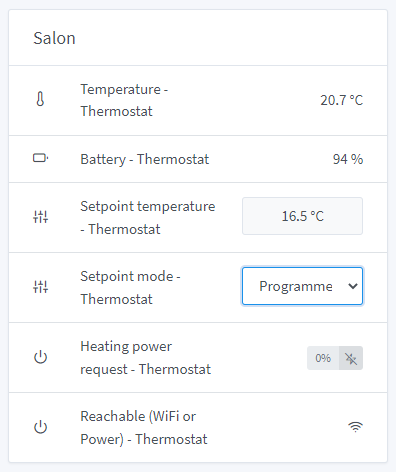
Some work has already been done! 
He could have done the work before I sold all my equipment.
Now I’m all electric.
Good job for next winter.
@Terdious, however, I’m getting 403 errors.

Hi @Will_71,
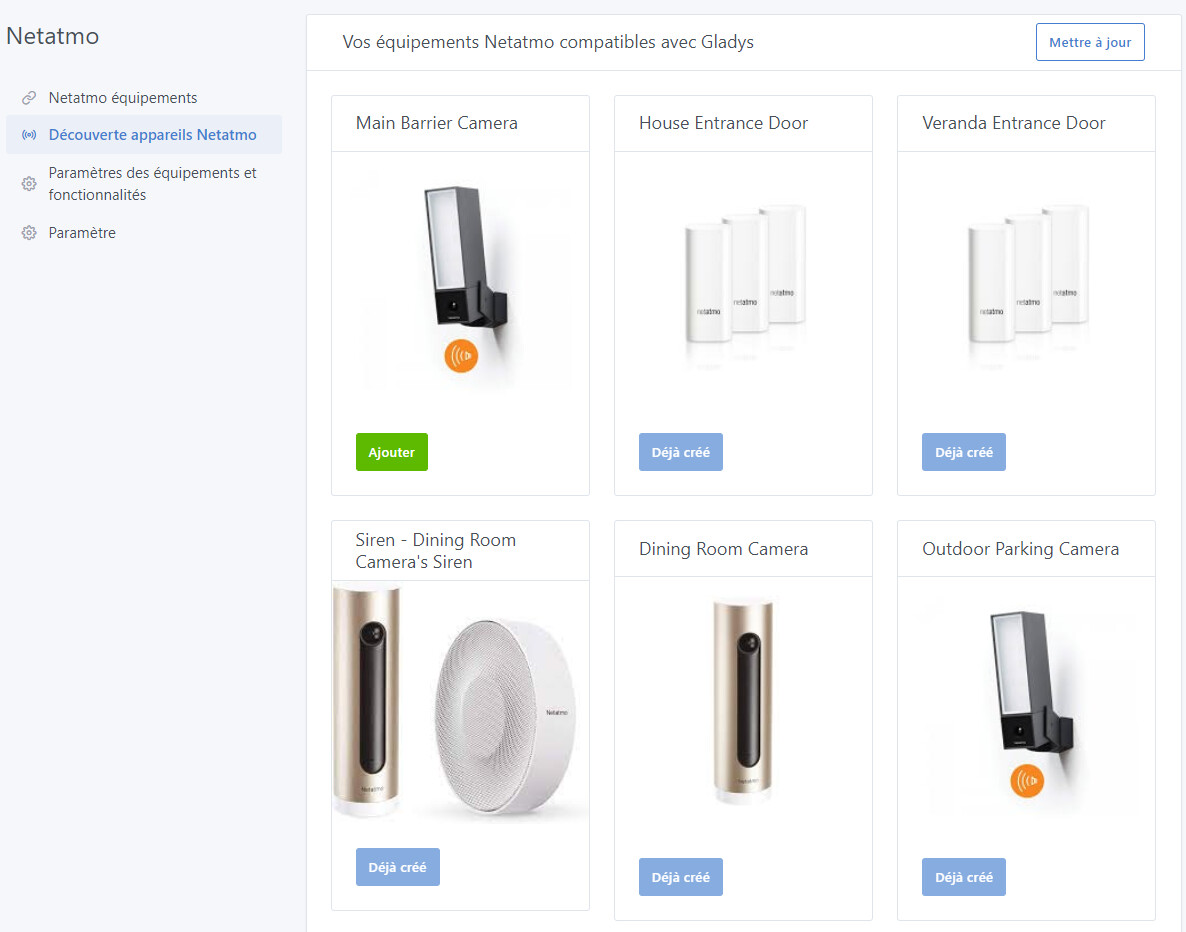
Yes, this is « normal » for now. Netatmo is divided into 4 families (5 now with the Legrand With Netatmo equipment):
- Home + Security (Indoor - outdoor cameras / opening detector / smoke detector / monoxide detector / siren / doorbell / Bticino intercom)
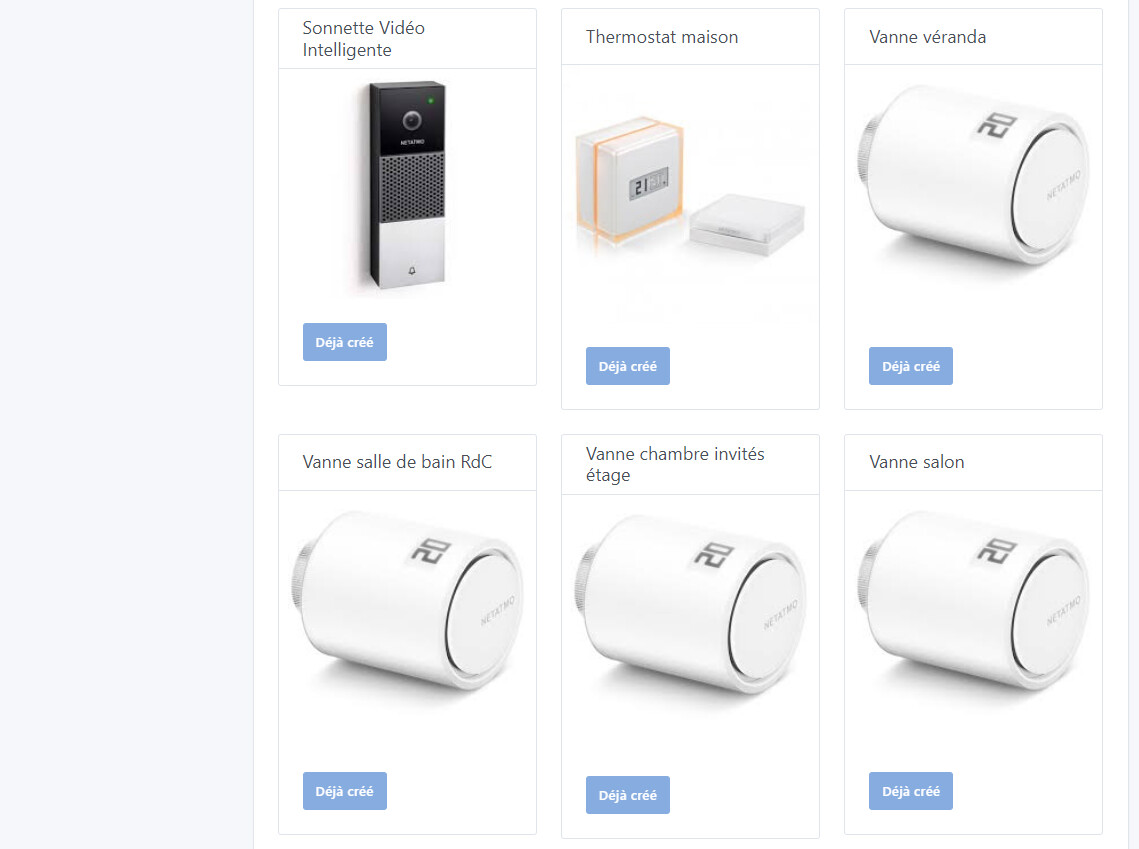
- Energy (Valve / thermostat / relay)
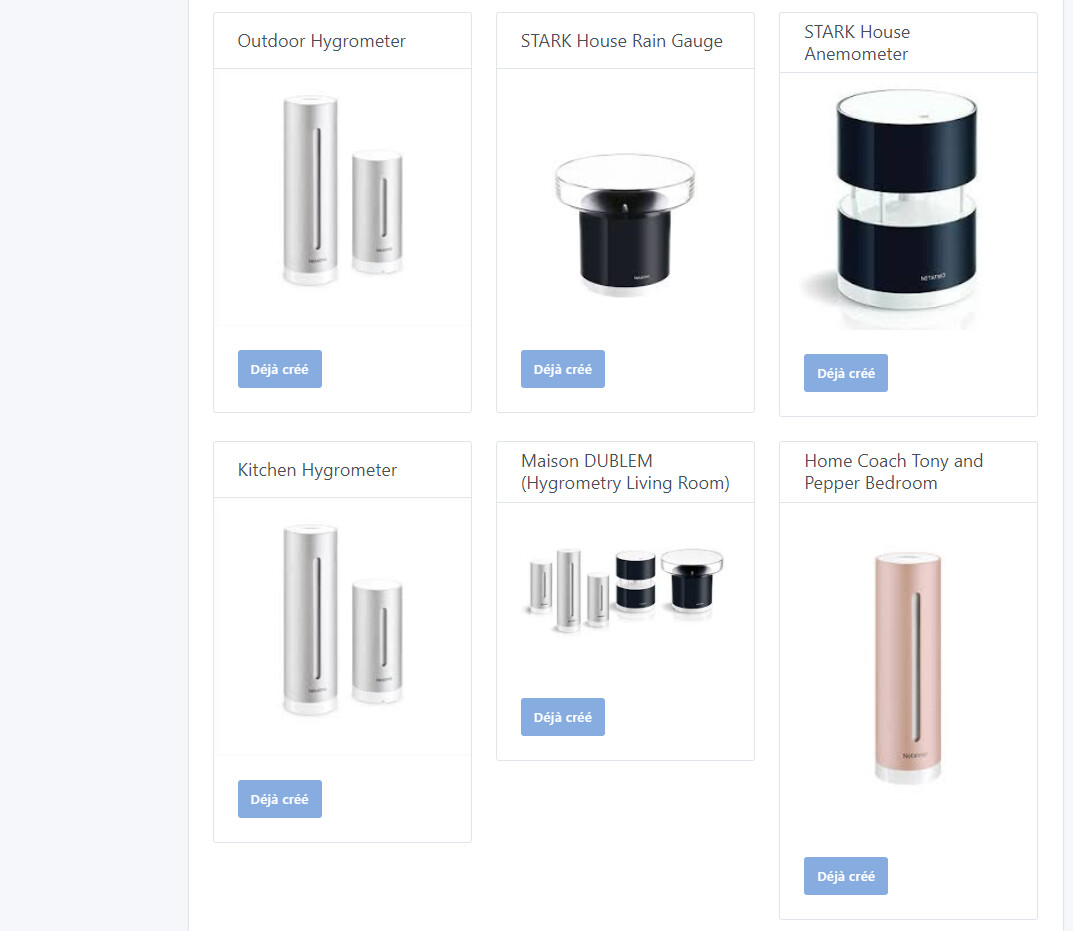
- Weather (Weather station / rain gauge / anemometer / indoor module)
- Aircare (Home Coach Healthy = Indoor air quality).
As I had almost all the equipment available, we developed it to retrieve everything. But I am currently developing an additional settings page to select the service(s) you wish to subscribe to. It will be on this page. It shouldn’t take long…^^
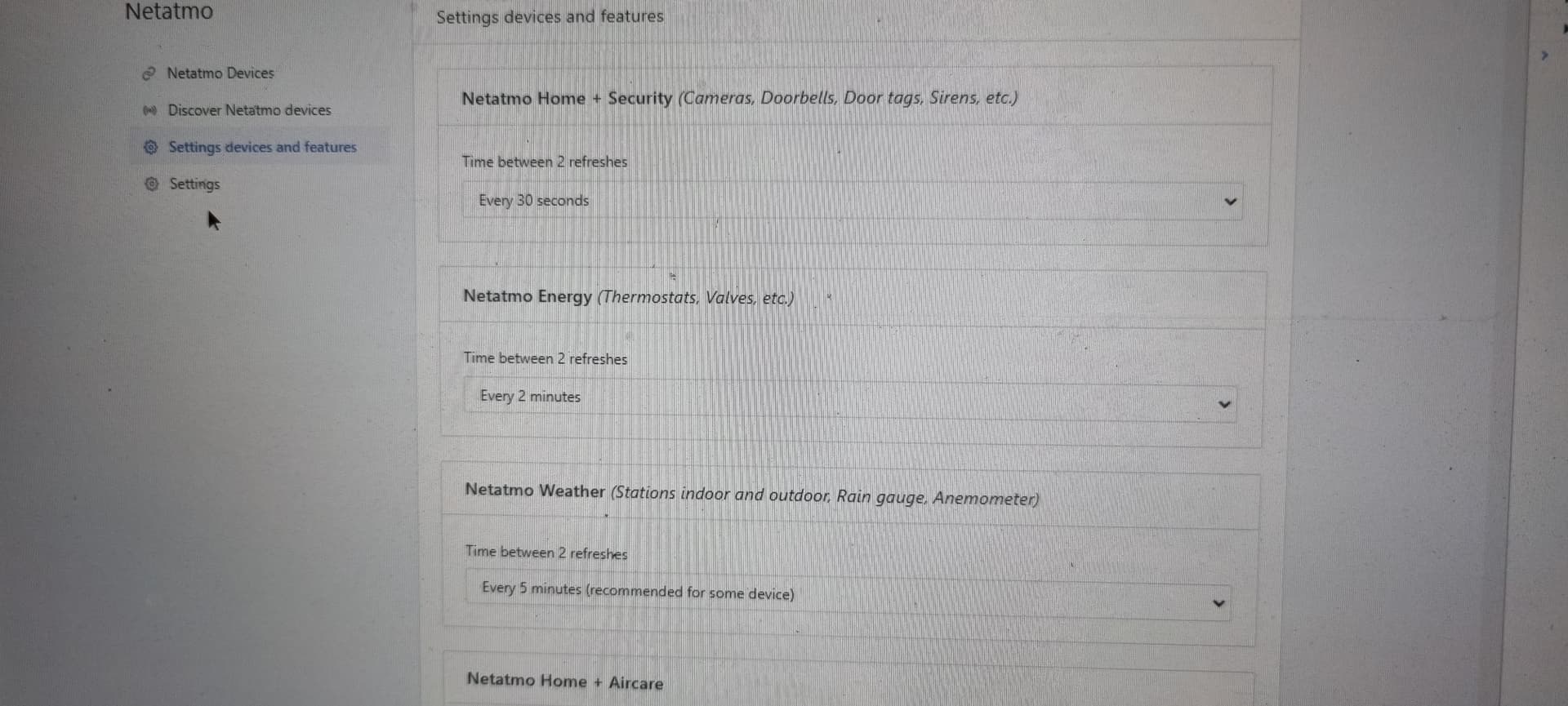
Ok.
I think you will also plan later to be able to control, for example, the thermostat?
Indeed. But this is part of a reflection on the operation of heating in Gladys that must be conducted globally above all and which unfortunately has not yet been determined. However, while waiting to be able to operate alongside gladys-prod, I plan to develop something on my side for my gladys-netatmo that I will of course share. For information, I run this one on a second rpi4 with 2 other Gladys instances running (1 for the pro and 1 as a « pod »).
What I have planned is:
- I already retrieve all the schedules currently stored in the device parameters. I just need to display them now,
- Develop the command to select the schedule,
- Develop the command for the setpoints of the valves and thermostats,
- Retrieve and be able to set the manual startup time,
- Develop the command for the sirens and lights of the outdoor cameras.
You’ve already done quite a bit of work
For my part, for the moment I wouldn’t run a dev Gladys permanently with the NetAtmo service because I still have my heating on a second RPI under Domoticz. I’m afraid it might send too many requests to NetAtmo. I can’t remember the name of the max request limit.
I switched to Gladys recently and I didn’t want to break my functional heating system as long as I might still need it. I’ll look into this change during my summer vacation.
On this RPI, I made a Python script to retrieve NetAtmo information from my thermostat and control all my heating (pellet stove + electric radiator). As a result, I also included sending this data to MQTT when I switched to Gladys.
For me, what’s missing for me to have a heating solution in Gladys is just a thermostat device.
In my current setup, I have a virtual thermostat (fake device) to manage heating room by room + the NetAtmo thermostat as the main one.
After that, I think I could manage to handle all my heating (either by scene or script outside of Gladys).
Hi @_Will_71,
FYI, I just pushed an update (v4.8.4) that incorporates your comment:
You now have access on the « Paramètres » page to select the APIs you want:
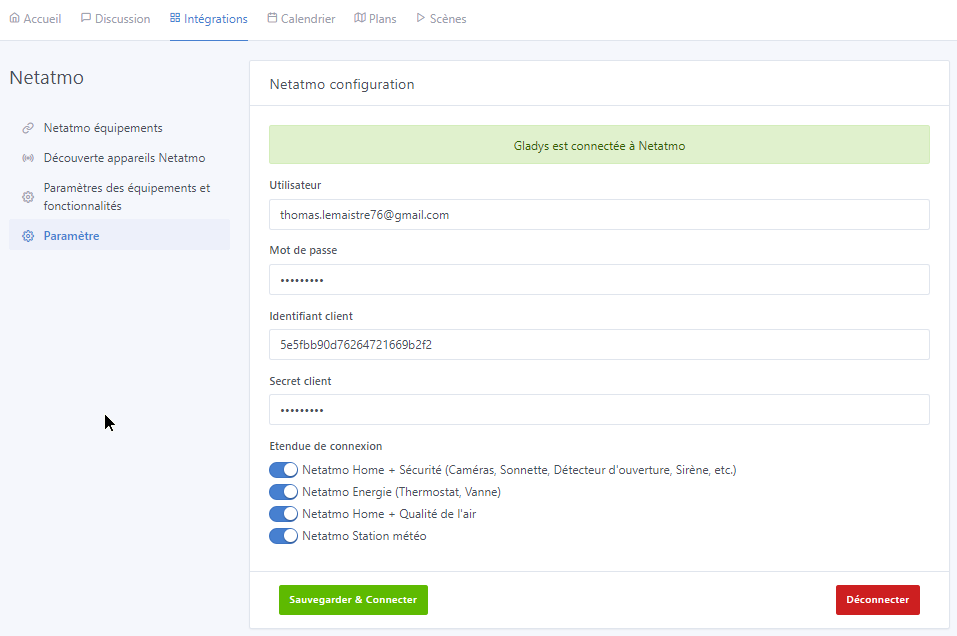
As you only have heating and the thermostat as far as I understand, you will only need to select « Netatmo Energy ».
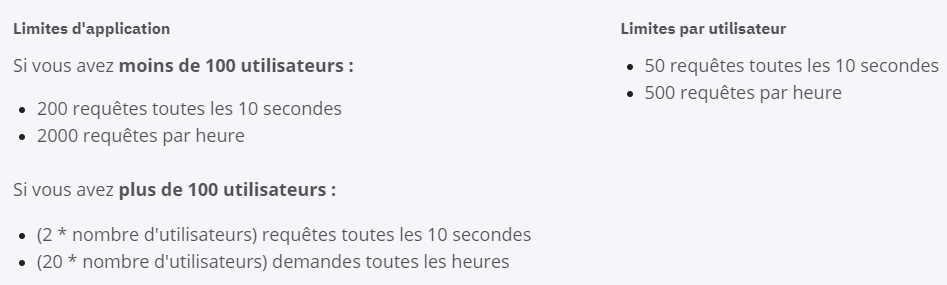
So if that can reassure you there’s no risk on that side with Gladys because by default we set the requests to every 2 minutes for the Energy part. That represents 2 requests every 2 minutes. Also on the Settings page for devices and features, you can increase the time between refreshes:
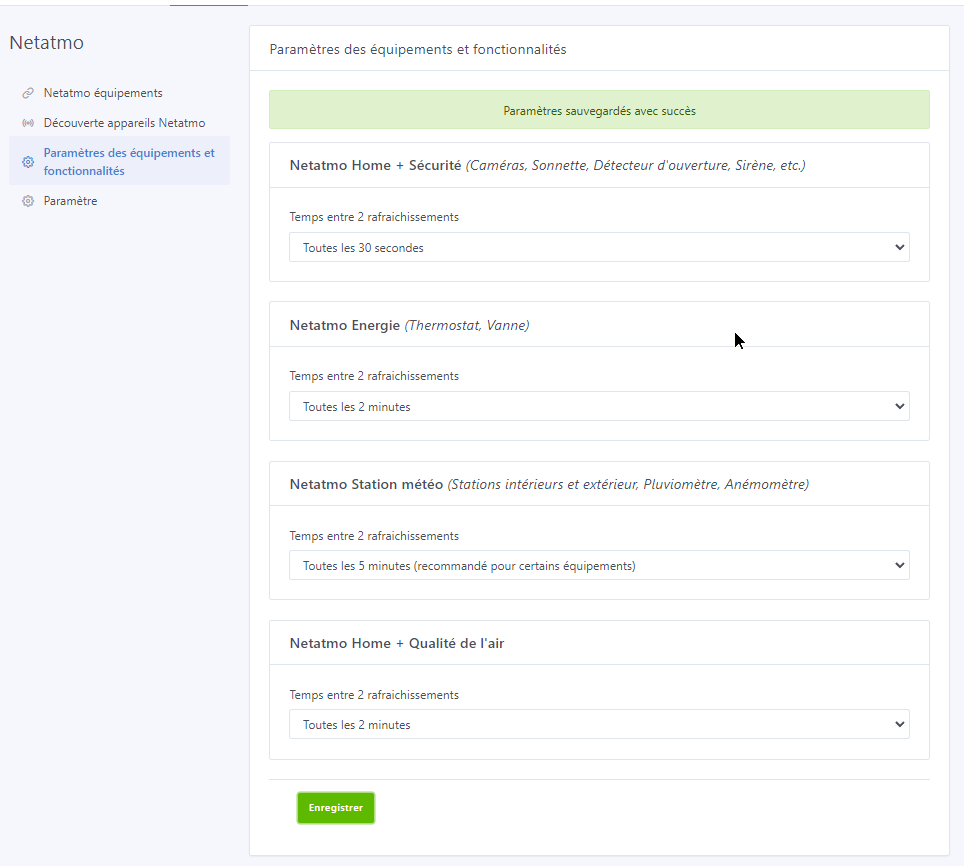
For my part, I use the 4 APIs via 2 instances (prod and dev at the same time) with:
- API Home + Security every 30s = 2 requests/min * 2 instances = 4 requests/min,
- API Energy every 2min in dev and every 1min in prod = 22 requests/2min + 22 requests/min = 6 requests/min,
- API Weather every 5min = 1 request/5min * 2 instances = 0.4 request/min,
- API Aircare every 2min = 1 request/2min * 2 instances = 1 request/min,
- Total = 11.4 requests/min
The limit is 50 requests every 10s, that’s generous ^^
For that matter, if you want to get the info via Gladys you can, even though it’s really useful for me because it’s the only way to control my heating (2 valve plugs and impossible via Netatmo to control one plug from another - it’s crazy ^^) and to have the cameras as well.
Yes indeed, that will be completely possible via scenes once the commands are published
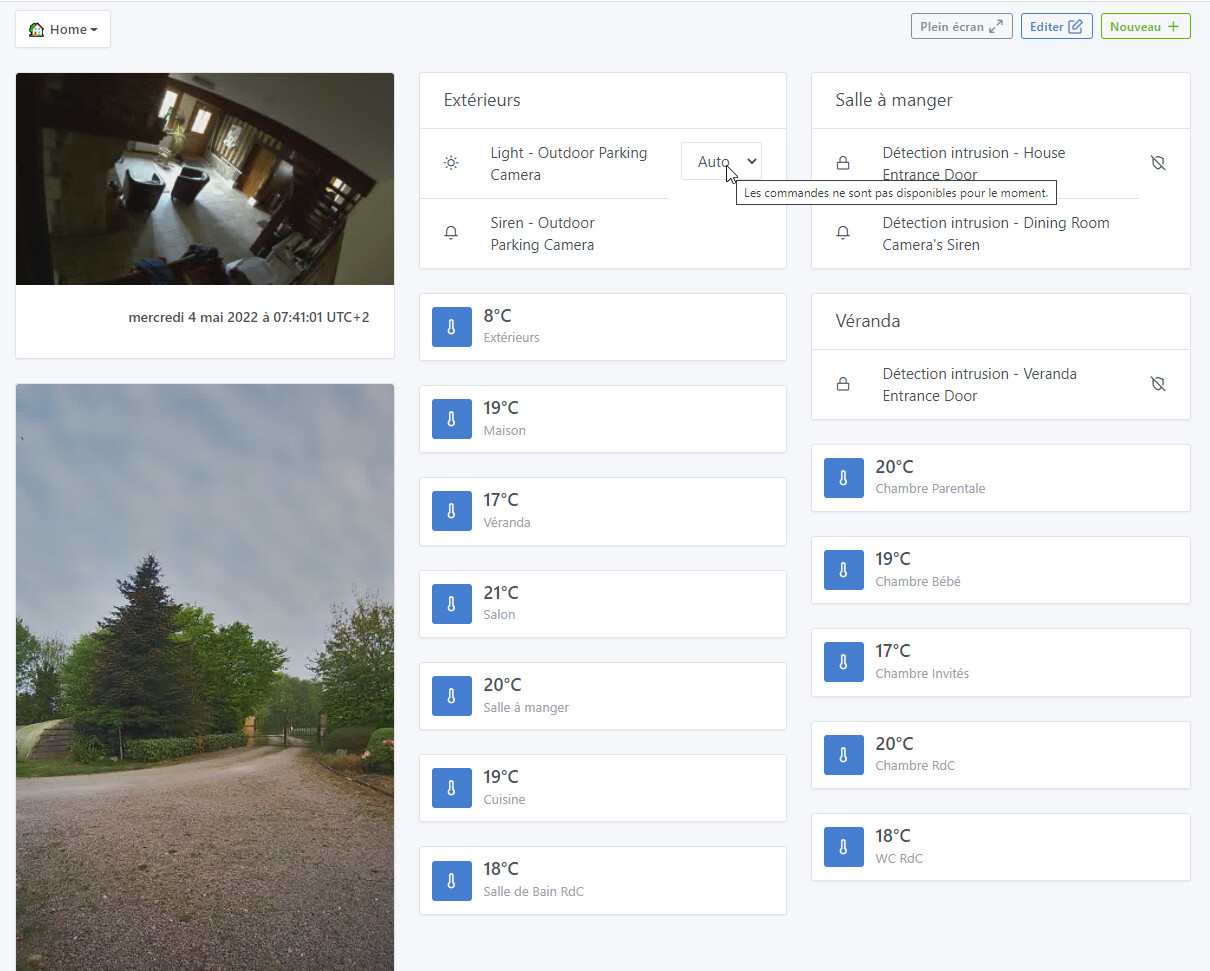
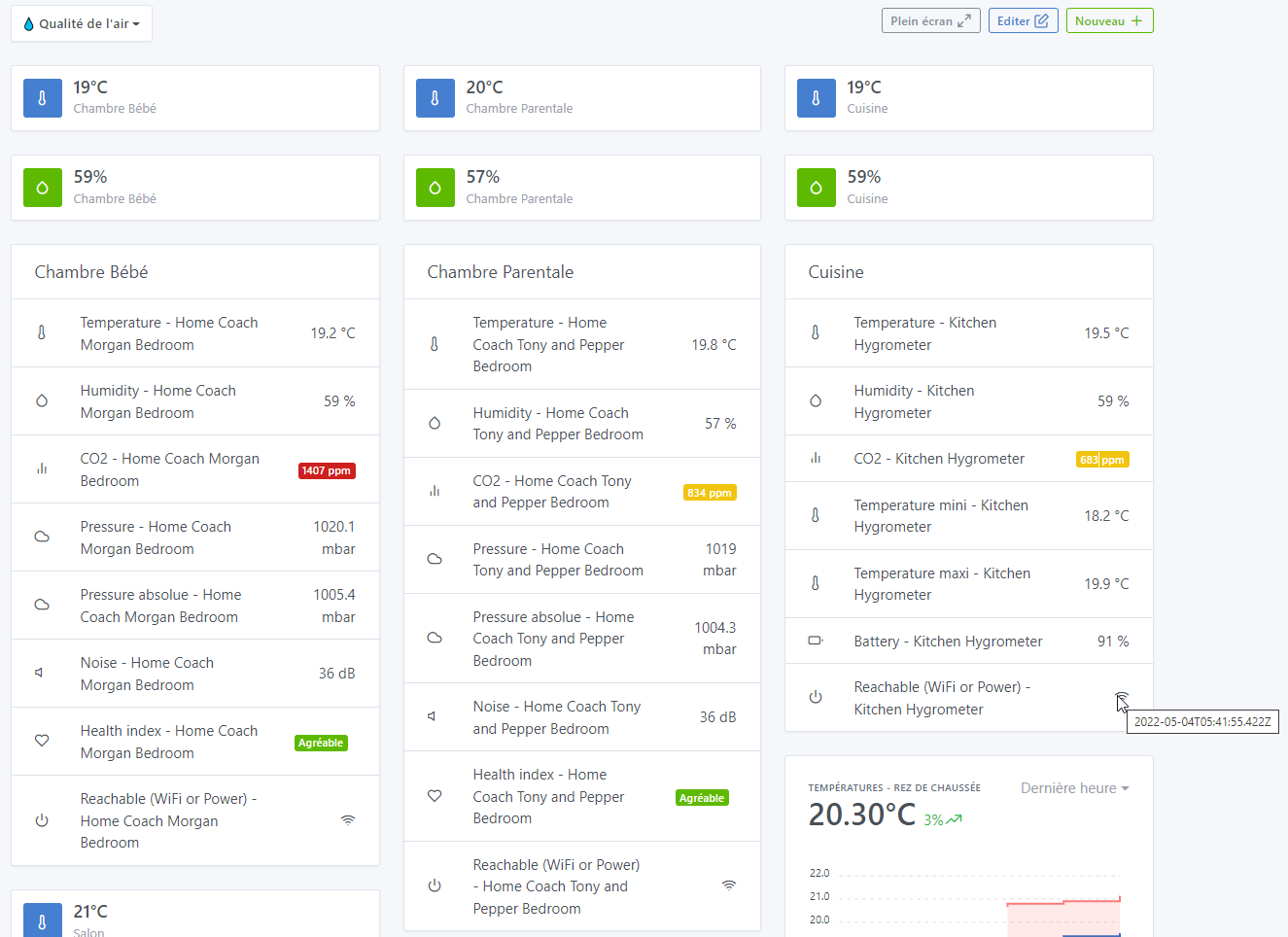
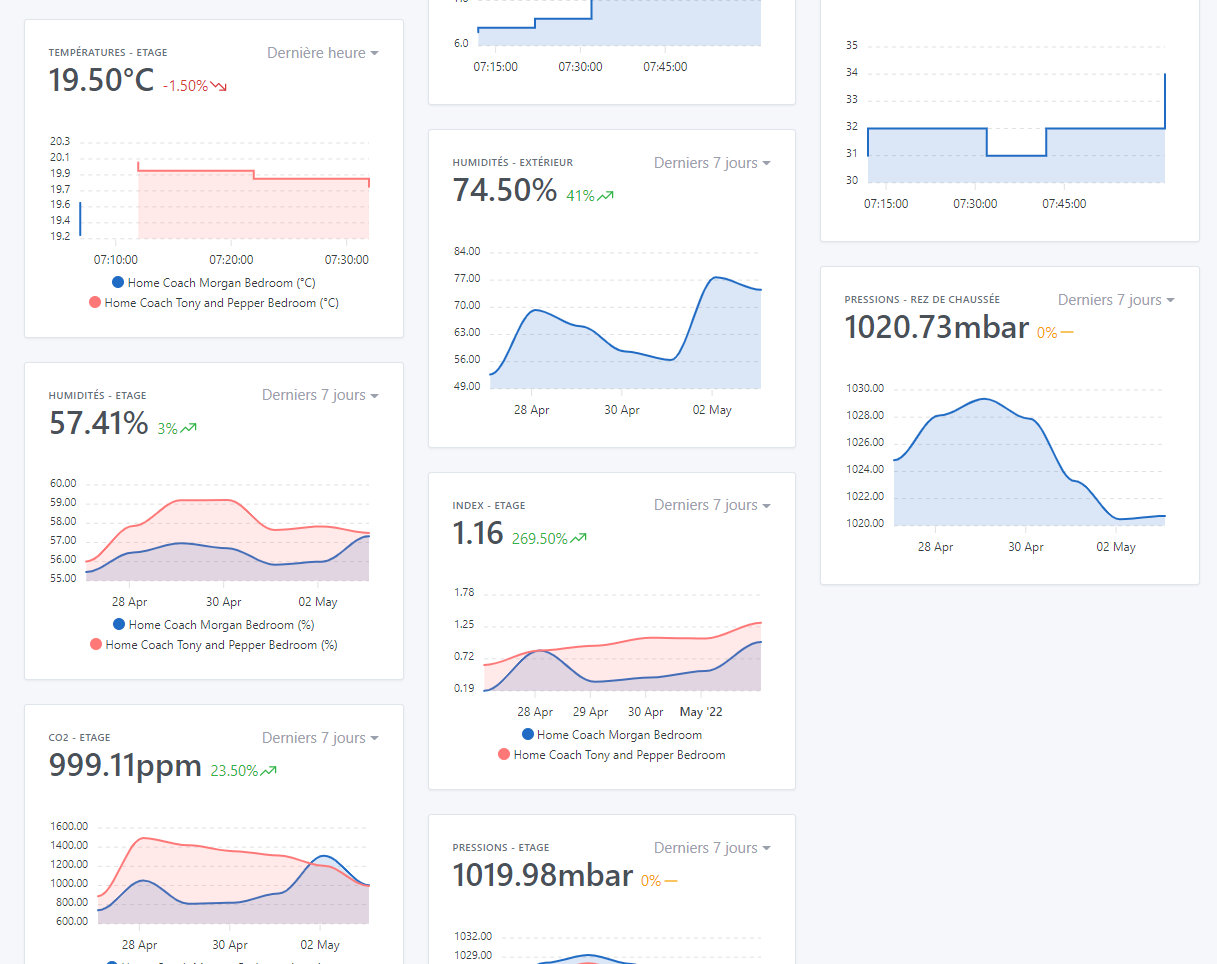
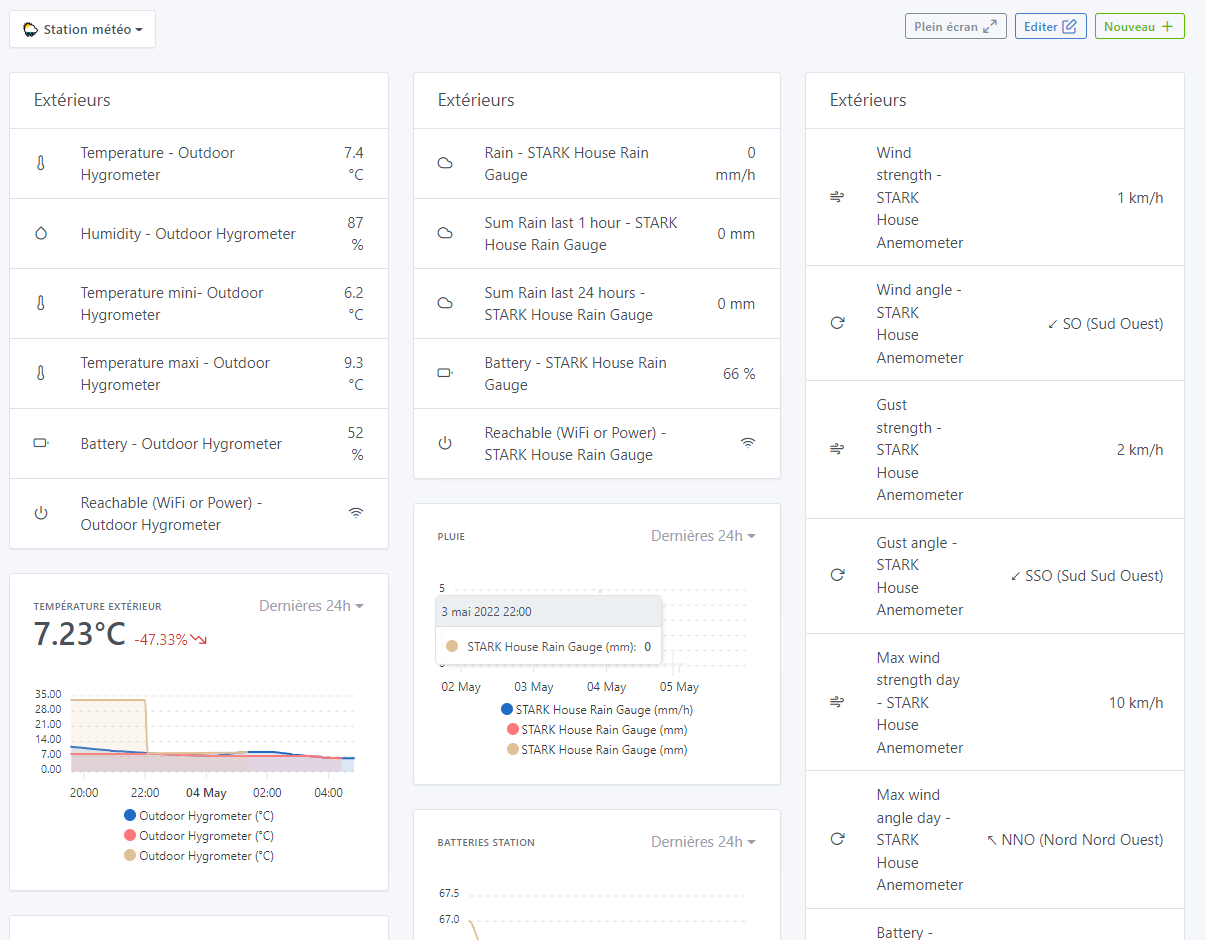
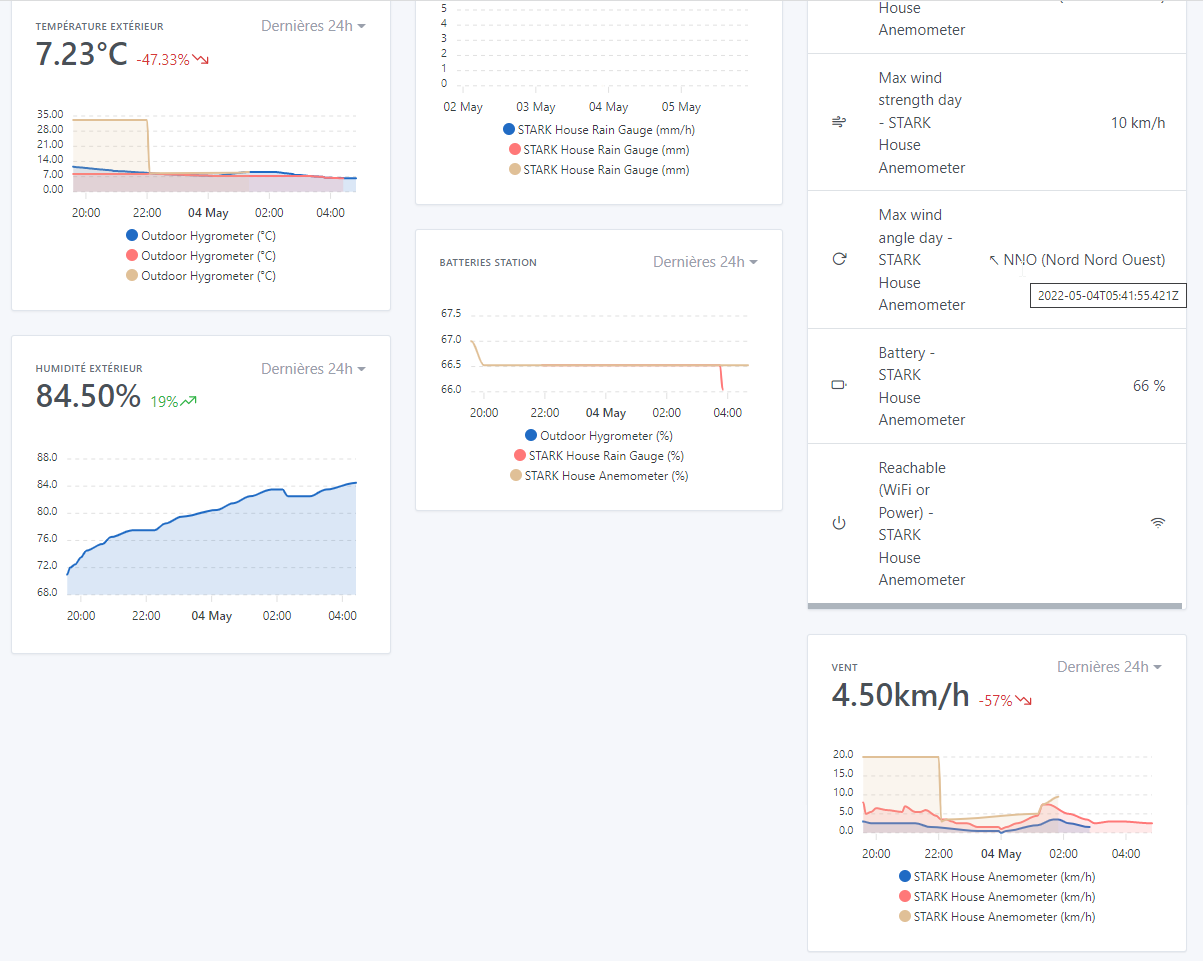
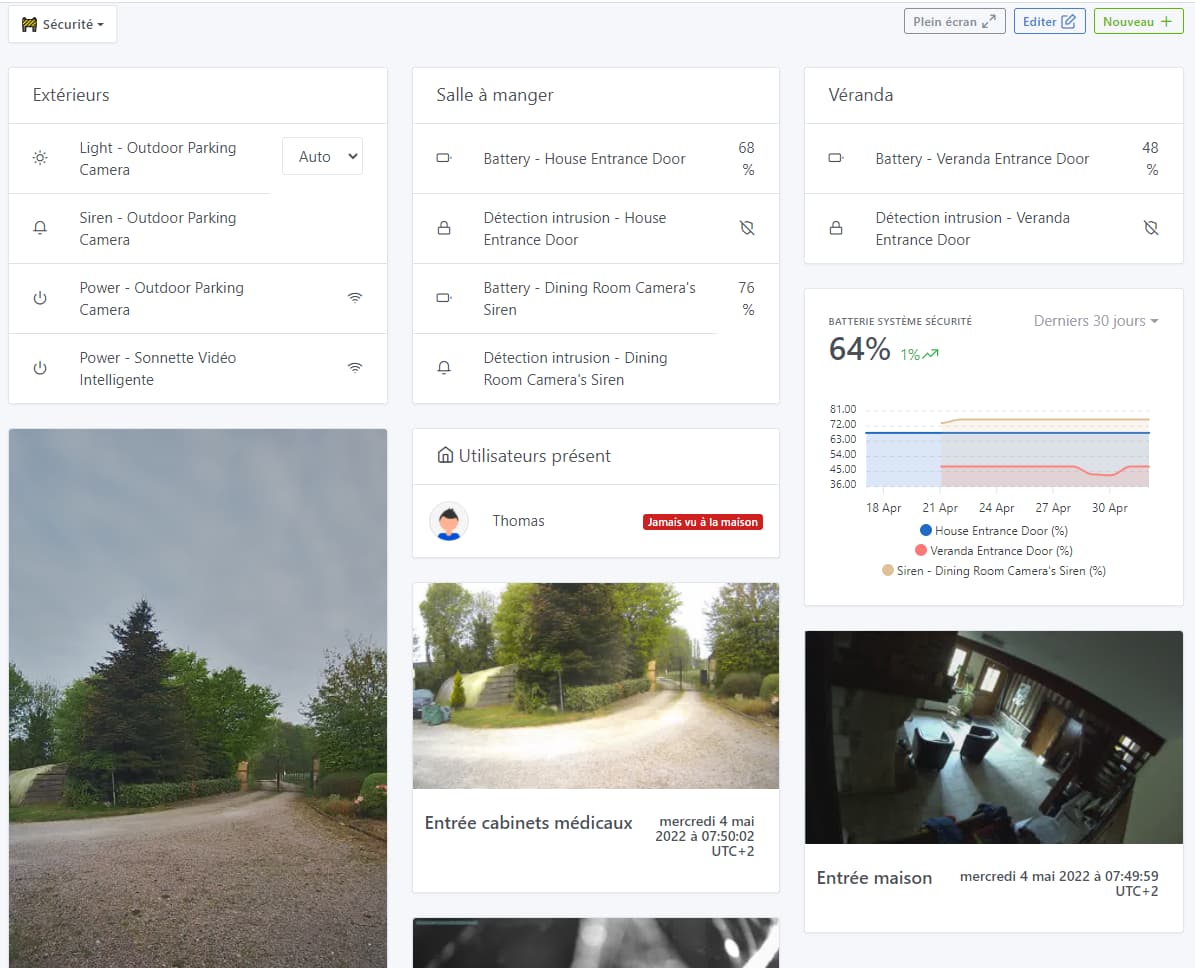
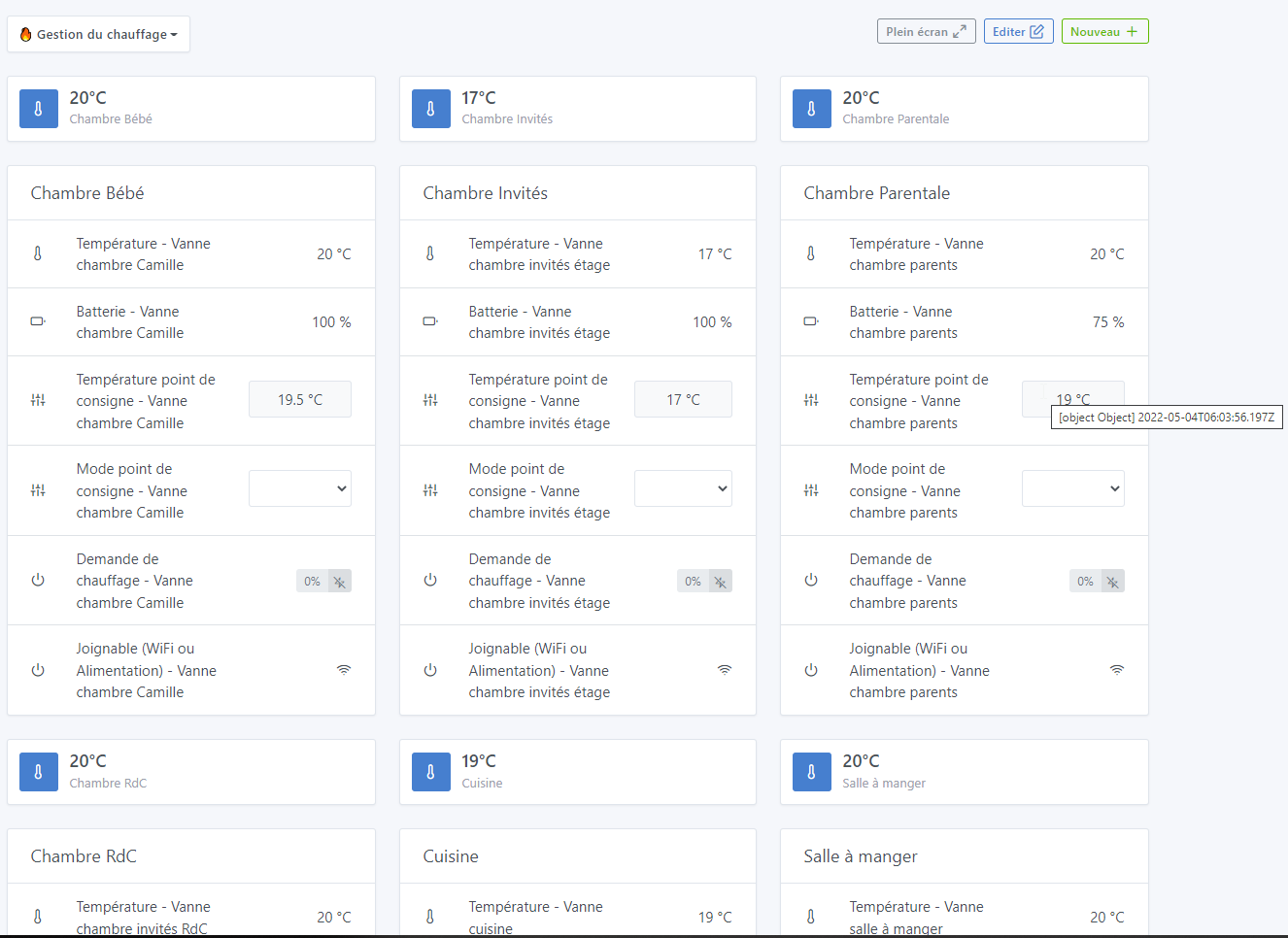
Cool, I’ll give it a try.
It’s fine, we’re well off in terms of requests. I can leave gladys prod and dev running at the same time + my old system.
Nice work👏
Yes, just don’t forget to change the DB name and the port in the Docker command (you may already be well aware of this, but just in case ^^)
The commands I run:
docker pull terdious/gladys:netatmo-prod-030522
docker stop gladys-netatmo
docker rm gladys-netatmo

docker run -d \
--log-opt max-size=10m \
--restart=always \
--privileged \
--network=host \
--name gladys-netatmo \
-e NODE_ENV=production \
-e SERVER_PORT=82 \
-e TZ=Europe/Paris \
-e SQLITE_FILE_PATH=/var/lib/gladysassistant/gladys-production-netatmo.db \
-v /var/run/docker.sock:/var/run/docker.sock \
-v /var/lib/gladysassistant:/var/lib/gladysassistant \
-v /dev:/dev \
terdious/gladys:netatmo-prod-030522
And for info, since I use it in production with an additional Gladys Plus, I will update it with every new Gladys master release. The date on the Docker image will change to make sure not to break anything in case of a bad future update on my part!!