@VonOx For information, I launched a release build on Github, Gladys v4.0.5 (the first build from Github action!)
I changed the repository settings to push the result to a crappy Docker Hub repository (pierregilles/gladys-test), and then if everything goes well, I will change the repository in the secrets and restart the build to push to the correct repository.
That’s how it was, it didn’t work at the time, you had to get the image out ^^
Now yes but until now all projects did it that way. Watchtower does it too!
After now it’s too late, we have about 500 instances that use this tag in production, no going back possible, we’ll see if we move to the v4 image for new images but we have to continue to support the existing ones.
Also, even for a new Raspbian image, I think there’s a whole reflection to be had before moving to this automatic image detection:
Does it work with all versions of Docker? (What about people who have Syno stuck on Docker released before the version that supported platform detection?)
Is it as stable as that, and is it not going to block us in the future?
At least, I find the current method much safer for the end user
This option is not feasible, we are no longer in beta, we need to think as if the 500 houses running Gladys were « frozen » and that we had to support them.
With v4, we want to convey an image of long-term stability. If we stop supporting an image just two months after its release, it looks bad ^^ Especially if it’s just to avoid the hassle. There is no technical blockage here.
Can’t we mix the two?
buildx + tag images v4-arm based on the v4 manifest arm?
docker tag + docker push in a separate step?
1- When the global build is complete, I retrieve the digest of the armv6 image
2- I pull this image by its digest
3- I tag the image as v4-arm
4- I push

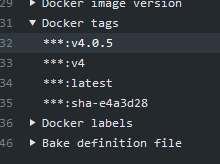


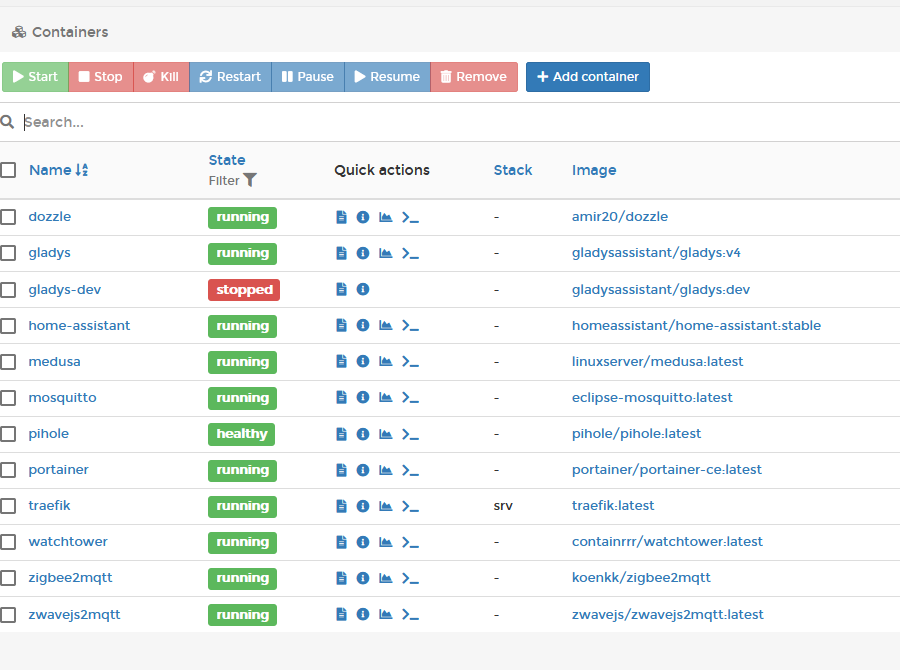


 (2 minutes with the cache)
 well done