I am creating this feature request here regarding the following post:
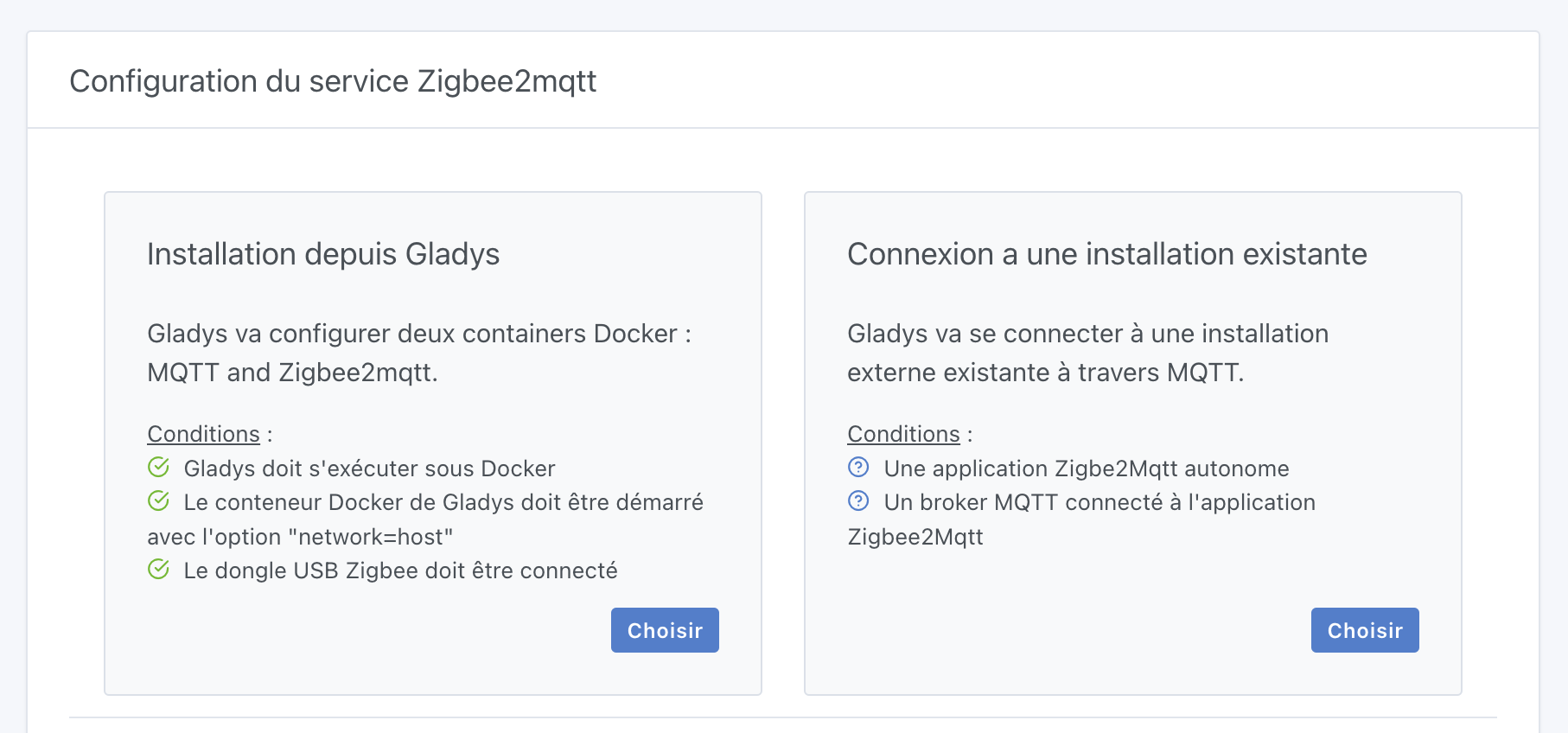
The goal is to do auto-discovery via an external MQTT
It’s much easier to test the Gladys solution, for example for people coming from haos or Jeedom, without having to create everything manually in Gladys
Maybe specify that it’s a ‹ simple › mode (or beginner, automatic, or default) or an ‹ expert › mode (manual or ‹ if you know what you’re doing › or ‹ if you already have an existing configuration ›…) because right now, if I don’t know what it’s about, I give up immediately!
Not in this release in any case; my goal right now is to ship this release as-is as soon as the functionality is rock-solid and properly tested
In development you need to stay focused on a single feature and not spread out, otherwise the feature never ships (we’ve seen that several times in the project’s history), and above all it makes the PR complicated to test because you’re mixing lots of concepts.
Thanks, I’ll fix it!
Translation-wise it’s still in progress; I’m missing English and German.
I saw a couple of tutorials on the forum for testing the images, so I might try this afternoon if my son lets me have a bit of time. And I’d also like to finish my article on Gladys before giving it to you to read
If you ever want to help with the Zigbee2mqtt integration and only have one dongle, I can buy you an extra dongle so you can help with these kinds of tests without breaking your prod
Mine is all Zigbee too, but apart from my Legrand pilot-wire outlets, the rest is accessible and it’s pretty fast, since there’s no need to rename them.
Very good this possibility of using an existing Z2M instance. It offers quite a few advantages for people hesitant to migrate and/or who are fairly proficient with the zigbee2MQTT configuration or who would like to test the integration of a new device (external converter).
I will test the feature when it’s available on unRAID.
In the longer term I think Gladys would be well advised to use [
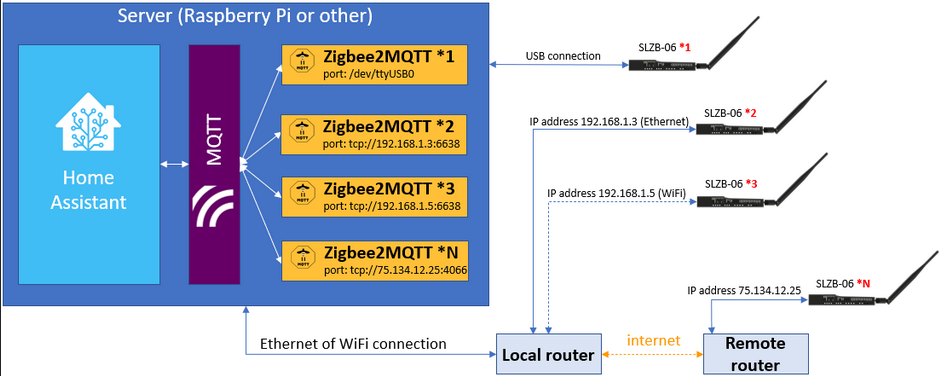
Be careful: multiple keys (coordinators) implies multiple distinct Zigbee networks, that seems much more specific than sharing a z2m (Zigbee2MQTT) instance. If the need is to use the keys as routers, logically no additional dev work is needed — you just need to integrate them
yes, the idea was to be able to reuse the existing key, among other things, if we want to go through this new network key!
But at the same time there can be a use case where it makes sense to have multiple keys (this network key in this particular case) when you have remote buildings, for example!


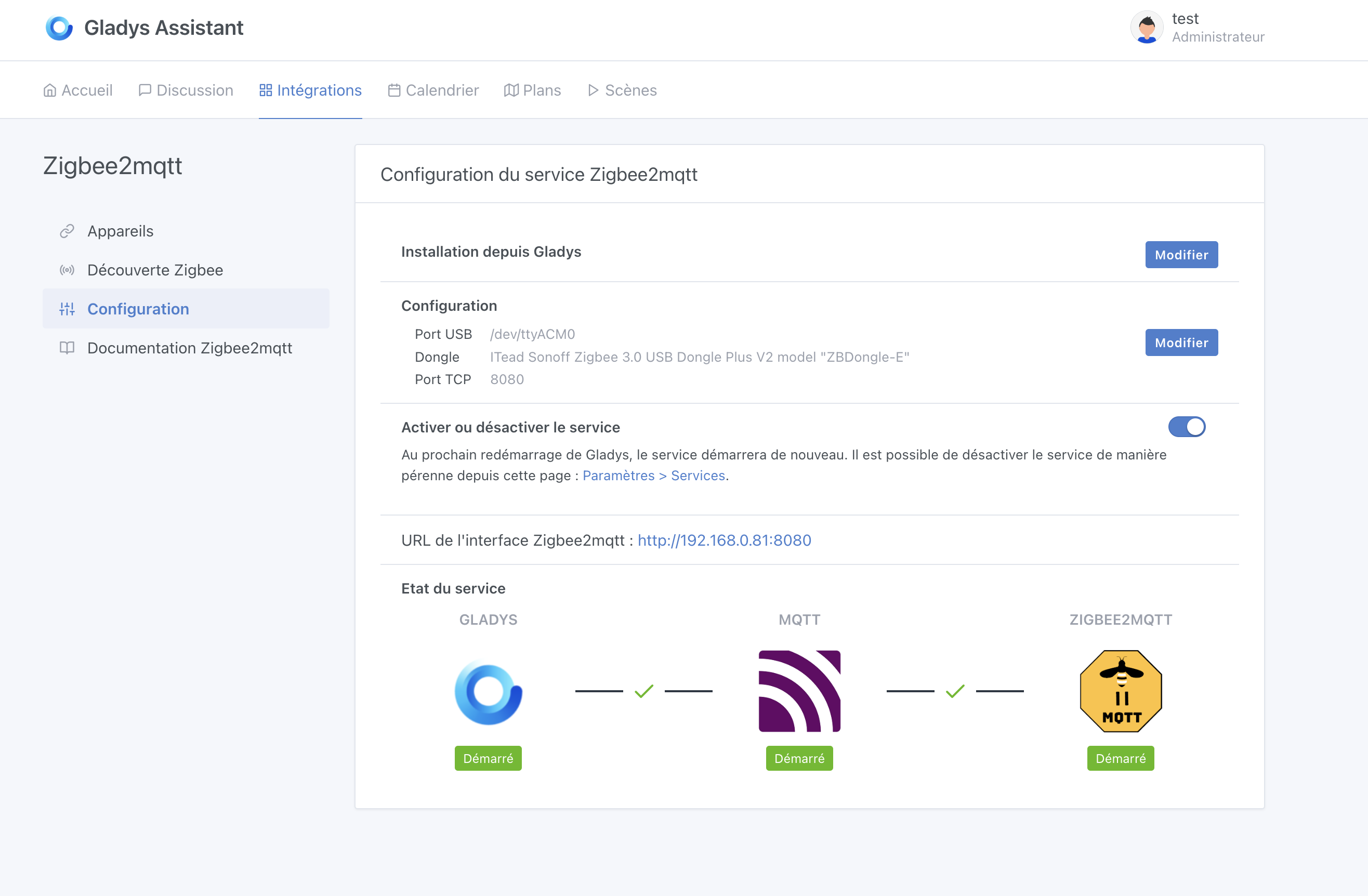
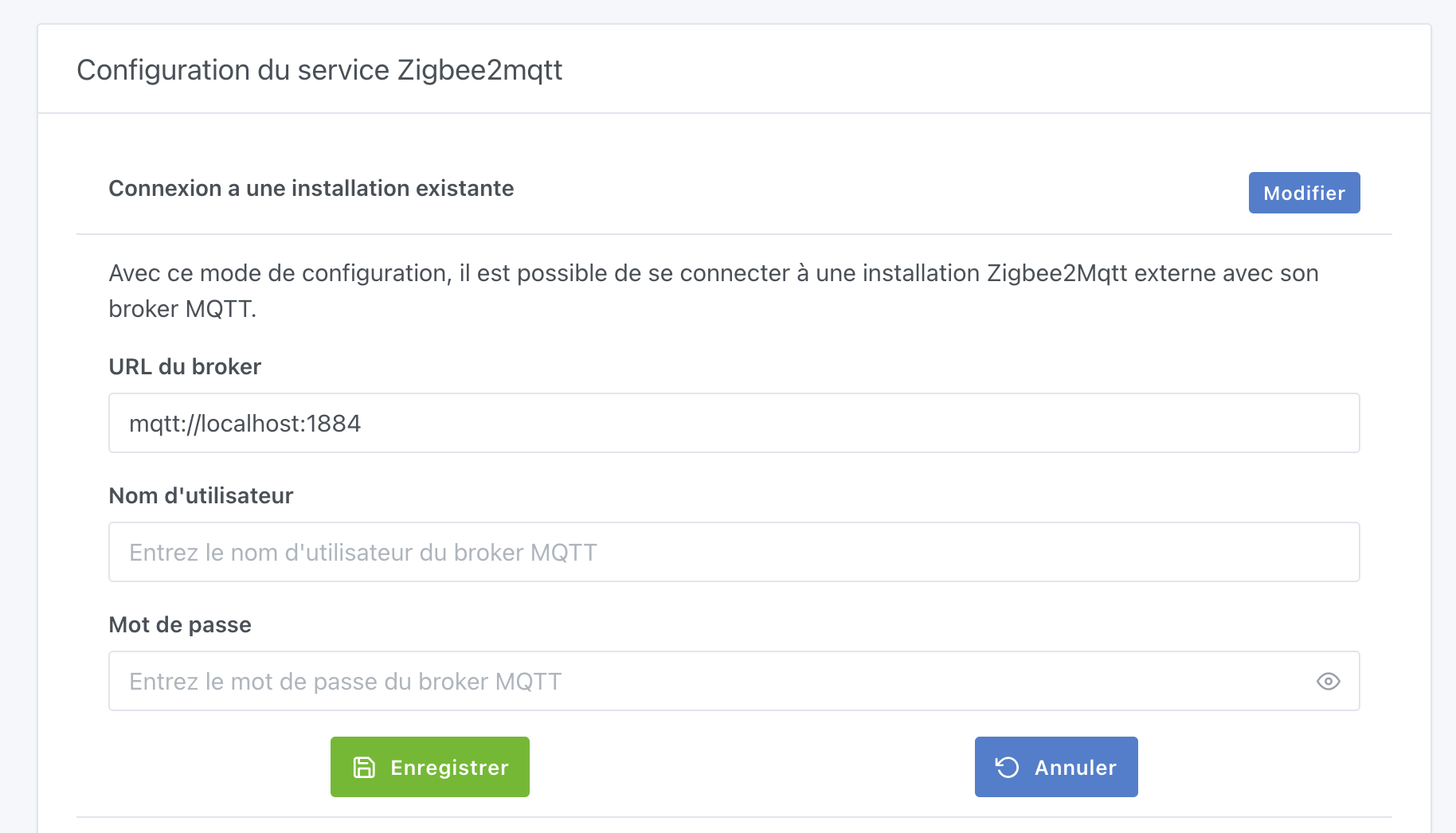
 )
)